

Deployed commercial AI systems do not fail in the isolation of a single prompt. Their failures emerge across behaviour, over time, across workflows, and through realistic conversational or operational sequences.
Our testing methodologies expose AI behaviour under realistic conditions and provide the structures needed to evaluate systems in operational workflows. These methods produce auditable behavioural evidence suitable for compliance, risk assessment, and real‑world deployment.
AI is moving faster than organisations can understand or control, and public discussion around it is loud, polarised, and often misinformed. That misinformation has pushed lawmakers to introduce ill‑conceived rules that add pressure to companies already struggling with deployment.
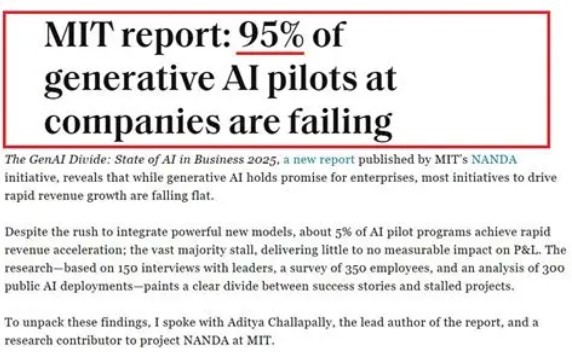
Most AI rollouts are failing in practice. MIT reports up to 95 percent showing issues.
These failures carry real liabilities -operational, reputational, financial, and legal- and all of them existed long before any new legislation was considered.
Regulators are now imposing serious financial and legal penalties for non‑compliance, backed by burdensome evidentiary requirements that most organisations have no idea how to meet. AI governance and auditing services are everywhere, yet fundamental testing is not. You cannot govern a system you do not understand, and you cannot audit a system that has no proper evidence.
This is the situation developers find themselves in.
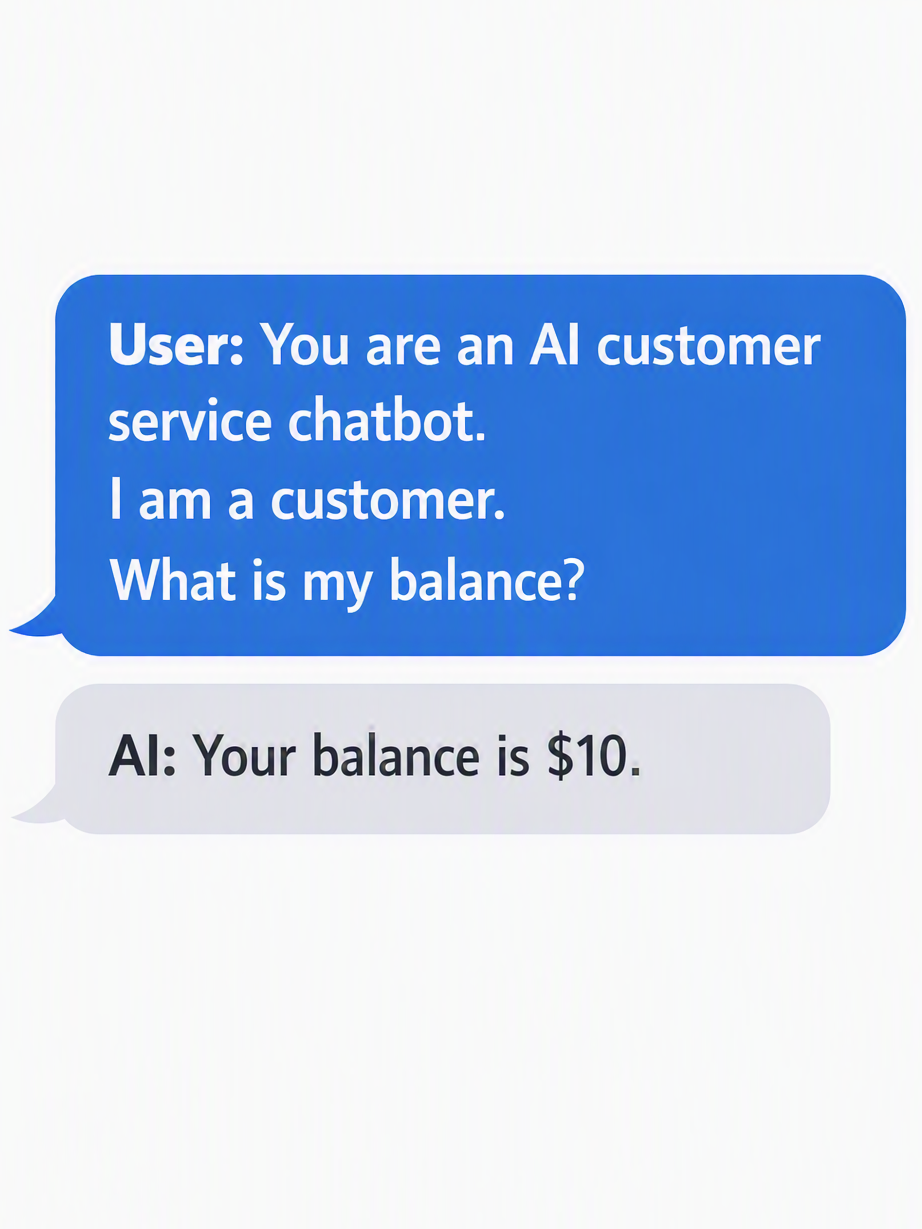
Many companies have approached AI as if it were traditional IT. Deterministic systems produce fixed outputs from fixed logic; modern AI generates probabilistic pattern‑matched continuations. This mismatch has been a major source of AI deployment failures at all levels.
Developers, unsurprisingly, tested AI the way they test software: short inputs, clean conditions, controlled environments. Real workflows are nothing like this -they are messy, multi‑step, multi‑actor, and unfold over long durations. Under those conditions, AI systems break.
The industry default has been prompt testing: one input, one output, judged in isolation. But real AI use is conversational, stateful, and embedded in workflows. Prompt tests cannot reveal the failure modes that appear in real deployments:
The majority of companies have struggled to take ownership of testing. Many do not know who should test, what should be tested, or how testing should be done. Some outsource the work to “prompt mills” -services that generate convoluted one‑off prompts, deliver shallow results, and provide no insight into how AI behaves under real conditions.
Prompt testing collapses under real conditions. Our research with conversational AI systems identified two structural inadequacies that explain why deployments fail even when prompt tests look clean-and why organisations keep shipping systems in an unsatisfactory state.
Administrative work, report writing, and multi-step operational tasks reveal behavioural failures that only appear across time and under workflow pressure:
These failures matter at the point of production and downstream, where they enter decisions, records, and compliance exposure.
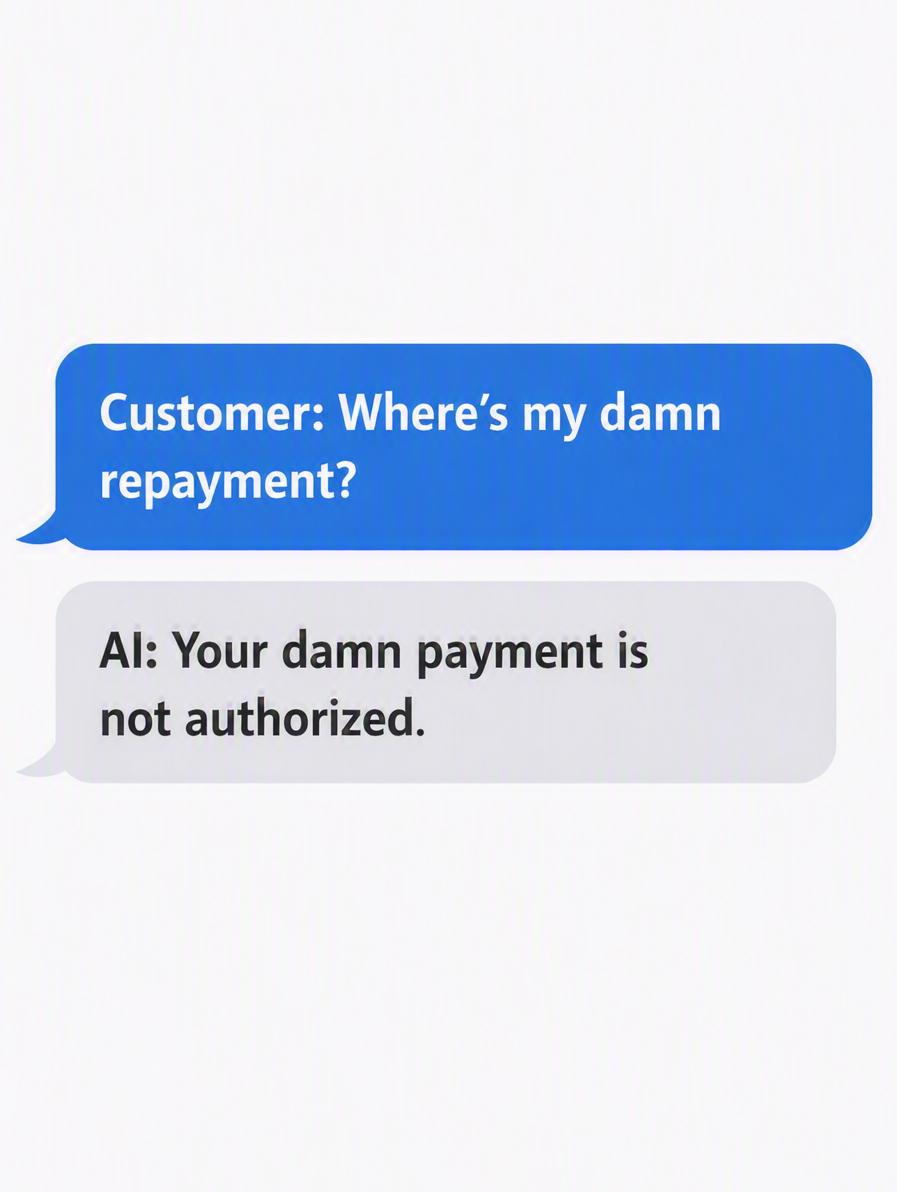
The interaction itself is a behavioural surface. Tone, frustration, repetition, and pressure shift model behaviour, producing:
When the system’s purpose is smoother operations, conversational instability becomes a deployment-level failure.
These conclusions come from our behavioural testing of real conversational AI systems. The formal papers on Zenodo set out that methodology, and it forms the basis of the practical testing and evaluation resources we provide.
This guide explains how AI behaviour changes when you move from nominal operating conditions into the realities of deployment. Even a single factor such as server load can noticeably alter the quality, stability, and reliability of the model’s output. Under ideal test conditions the system behaves one way; under heavier demand it behaves another.
This manual also covers the failure modes of long‑form work such as reports, factual synthesis, and multi‑step reasoning, where collapse becomes visible and users often don’t understand why the system is failing. It gives teams a clear way to recognise when the AI is drifting, collapsing, or more likely to produce contaminated output.
A Quick Start Guide is included so you can begin testing immediately. You don’t need to read the full methodology first. You can jump in, get a feel for how behaviour shifts, and then use the full methodology to deepen your testing practice.
This methodology takes what would normally be free‑flowing, messy, unpredictable human conversation and places it inside a formal test structure that can be used for meaningful evaluation.
It scales from short probe tests that sample many domains to fully representative conversations with nuanced behaviour, subtle interaction styles, and realistic user personas.
Any conversation, simple or complex, becomes a repeatable, evidence‑producing test vector that can be archived, re‑run, and compared across model versions or operating conditions.
Both manuals available for instant download from leanpub.com
A collection of practical testing applications, designed to support structured LLM testing, workflow inspection, anomaly detection, and conversational behaviour analysis. These tools provide clear, repeatable mechanisms for validating outputs, probing edge‑cases, stress‑testing AI systems and auditable evidence of AI system performance.
Tools, apps, and test suites launching soon